


Imagine this: It’s a quiet Saturday morning, and suddenly you hear the unmistakable sound of water rushing where it shouldn’t be. You rush to the basement or under the sink, and there it is: a pipe has burst. Water is everywhere, and in that moment, all you can think is,
“Yaar, agar us waqt Schedule 40 pipe liya hota toh aj ye problem na hoti!”
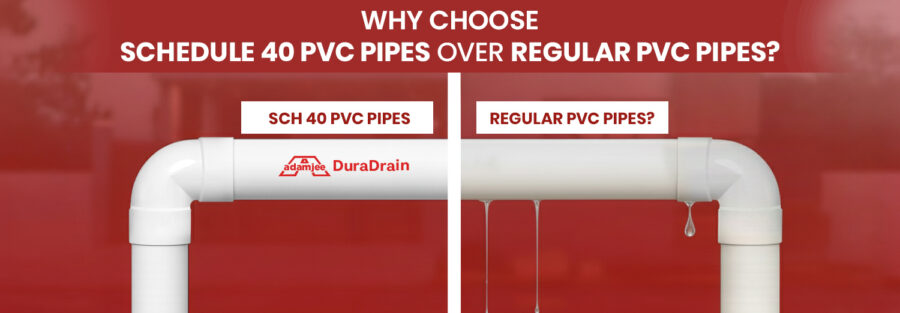
Most people don’t think twice about the pipes running behind their walls until they fail. At first glance, regular PVC and Schedule 40 PVC pipes may look nearly identical, but looks can be deceiving. Beneath that smooth, unassuming surface, Schedule 40 is built to endure higher pressure, resist wear over time, and handle the unexpected challenges that everyday plumbing throws at it.
In other words, while regular PVC might get the job done. Schedule 40 gives you the peace of mind that your plumbing can actually survive life’s little emergencies. Let’s walk through why Schedule 40 pipes are often the better choice.
So, what exactly is Schedule 40?
The term refers to the thickness of the pipe wall, not the material itself. Schedule 40 pipes are made from PVC, just like regular PVC pipes, but they are thicker and stronger.
That extra thickness means better pressure resistance and greater durability. In simple terms, Schedule 40 pipes are built for tougher jobs where reliability is important.
Think about the pressure of moving pipes every day. Water, chemical, or industrial fluids don’t just flow gently; they constantly push against the pipe walls.
Regular PVC pipes may handle light-duty work, but Schedule 40 pipes are designed to take pressure without cracking or bending. This strength helps prevent leaks, breaks, and unexpected failures.
For plumbing and industrial systems, stronger pipes mean fewer problems and better peace of mind.
Absolutely. When it comes to PVC plumbing pipes, reliability is everything. Schedule 40 pipes are widely used in residential, commercial, and industrial plumbing systems because they handle pressure more safely.
They are commonly used for:
Because PVC does not rust or corrode, schedule 40 pipes last much longer than metal alternatives and many ordinary plastic pipes.
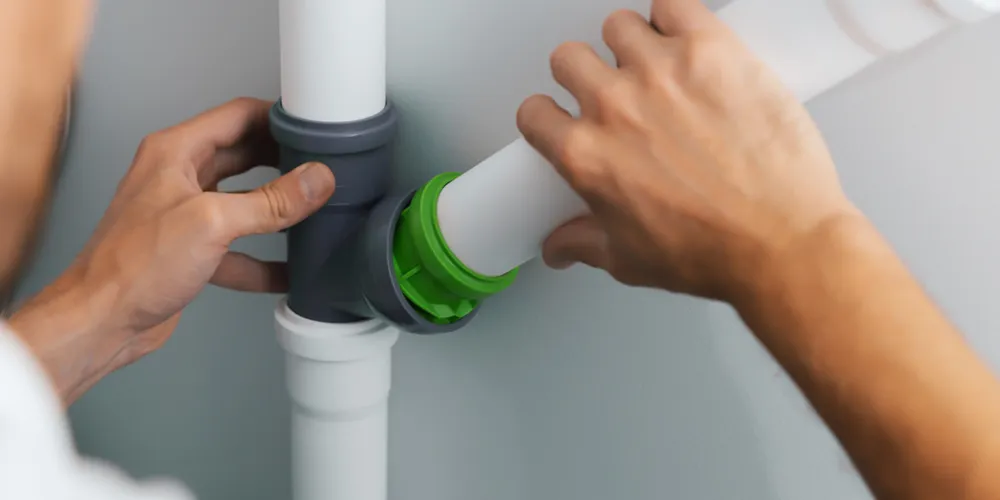
Despite being stronger, schedule 40 pipes are easy to work with. They can be cut, joined, and installed using standard PVC tools and solvent cement.
Their smooth inner surface improves flow efficiency and reduces the risk of blockages. With proper installation, these pipes provide long-term and leak-free performance.
The table below highlights the key differences, making it easier to see why Schedule 40 is often the better choice:
| Feature | Regular PVC Pipe | Schedule 40 Pipe |
|---|---|---|
| Wall Thickness | Thinner | Thicker for added strength |
| Pressure Rating | Lower | Higher, can handle more pressure |
| Durability | Moderate | More durable and long-lasting |
| Cost | Usually cheaper | Slightly higher, but worth it |
| Common Use | Light-duty plumbing, drainage | Water supply, high-pressure applications |
One of their biggest strengths is that industrial PVC pipes don’t rust or corrode the way metal pipes do. Schedule 40 pipes maintain this benefit while offering added strength.
They resist:
This makes them ideal for underground installations and industrial environments where durability is essential.
Yes, within their rated limits. Schedule 40 pipes are designed to handle moderate to high pressure, making them suitable for plumbing and many industrial applications.
Their pressure-handling ability makes them a safer choice than regular PVC pipes, especially in systems with pressure fluctuations.
This is where plastic pipes truly shine. One major advantage of PVC is its lightweight nature. Schedule 40 pipes keep this benefit while adding strength.
Being lightweight means:
At the same time, their durability ensures they perform well even under continuous use. It’s the best of both worlds.
While these pipes may cost slightly more upfront, they save money over time. Fewer repairs, less maintenance, and a longer lifespan make them a cost-effective solution.
For projects that demand reliability, investing in schedule 40 pipes reduces downtime and long-term expense.
Schedule 40 PVC pipes are used in plumbing systems, water supply lines, drainage, irrigation, and industrial applications where higher pressure handling and durability are required.
Schedule 40 pipes are highly durable. Their thick walls withstand pressure, impact, and chemical exposure, providing a long service life with minimal maintenance.
They outperform regular PVC pipes through higher pressure resistance, better strength, improved durability, and suitability for plumbing and industrial use.
Installation involves proper cutting, cleaning, and joining using approved PVC solvent cement. Following manufacturer guidelines ensures leak-free and safe performance.
Yes, Schedule 40 PVC pipes are designed to handle moderate to high pressure, making them suitable for plumbing and many industrial applications.
Choosing the right pipe may seem like a small detail, but it can make a world of difference in the long run. Schedule 40 pipes combine strength, durability, and reliability, making them a smarter choice for both residential and industrial applications.
Whether you’re installing water supply lines, drainage systems, irrigation networks, or industrial piping, Schedule 40 pipes stand out as a durable, high-performance solution that can withstand life’s pressures, literally and figuratively.
Don’t wait for a burst pipe to make the decision. Invest in Schedule 40 pipes now and protect your home or business from unexpected plumbing failures.

Adamjee Dura Built (Private) Limited was incorporated in 1984. We are the market front-runner due to our winning edge in quality control, product range, prompt and efficient service.
Since the 80s, we have been manufacturing quality electrical trunking, uPVC pipe, flexible pipe & fittings, uPVC electrical conduits, and have diversified to capture the water pipe market with DuraSDR, Dura Sch40, DuraTubewell, DuraPE and DuraFitting.

