

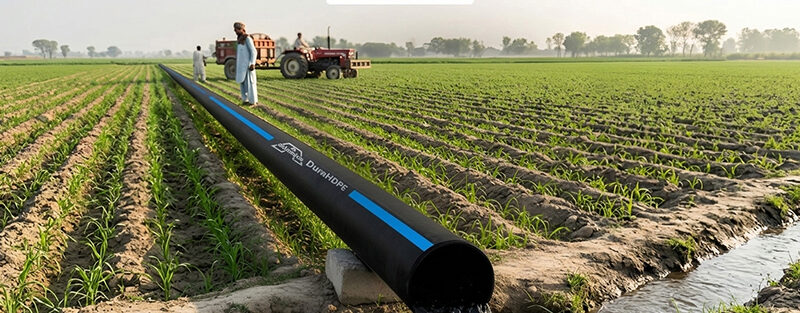
Choosing the Best Agriculture Pipes in Pakistan: A Guide for Smart Farmers
If you are a farmer in Pakistan, you already know one simple truth: water is life for your crops. But here’s the real challenge: getting that water to your fields in the most efficient, safe, and cost-effective way.
That’s exactly where agricultural pipes in Pakistan play a powerful role.
At Adamjee Dura Built, we’ve seen a simple shift transform entire farms when farmers move to the right irrigation piping system, water usage improves, crop health increases, and long-term costs decrease.
One farmer from interior Sindh shared his experience with us: “I used to lose almost 30% water in leakage and open channels. After shifting to proper pipes, my wheat yield improved without increasing water use.”
This is not just a story it reflects the reality of modern farming in Pakistan.
That’s why this guide is not just technical information. Think of it as a conversation with you, helping you choose smarter, farm better, and grow more.
Why Agriculture Pipes Matter More Than Ever
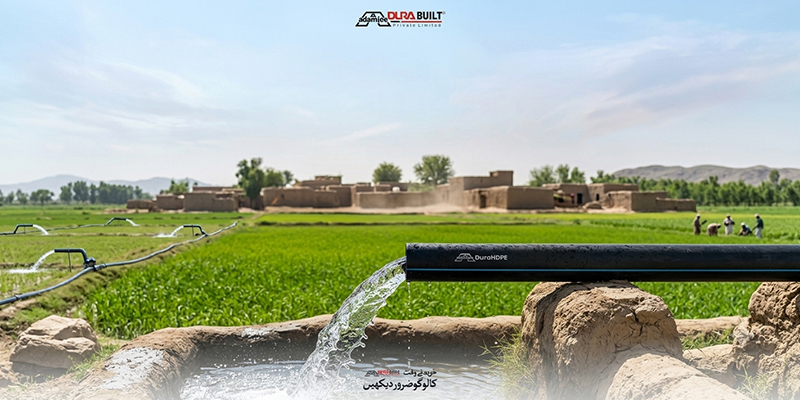
Pakistan is facing increasing water pressure and unpredictable weather patterns. That means every drop counts.
Using the best pipes for agriculture is no longer a choice; it’s a necessity.
Good irrigation pipes help you:
- Deliver water exactly where it’s needed
- Reduce seepage and evaporation loss
- Improve crop uniformity
- Save energy in pumping systems
When we talk to farmers, most realize one thing: their old water channels were silently wasting their money.
Types of Agriculture Pipes Used in Pakistan
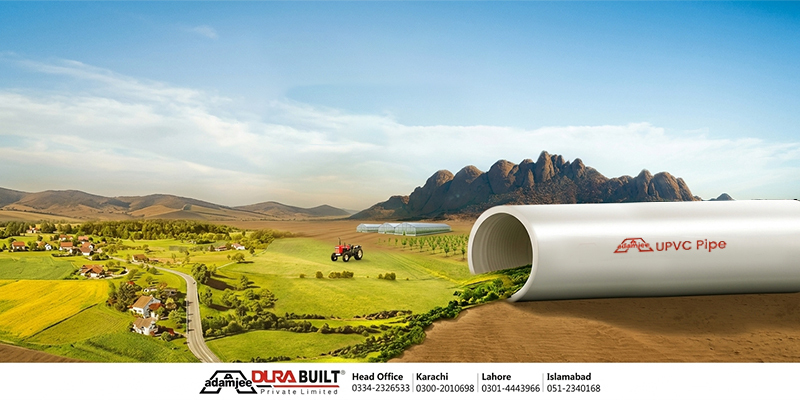
Let’s keep it simple; not all pipes are the same.
HDPE Pipes for Agriculture
HDPE pipes are strong, flexible, and long-lasting. Farmers love them because they handle pressure and rough soil conditions easily.
PVC Pipes
PVC is affordable and widely available in Pakistan, and many PVC Pipe Manufacturers in Pakistan offer it for general irrigation and farming needs, but it is more suitable for moderate-pressure systems.
UPVC Pipes for Irrigation
UPVC pipes for irrigation are rigid and used where a stable water flow is needed. They are commonly used in fixed irrigation lines.
Plastic Pipes for Farming
When we say plastic pipes for farming, it includes HDPE, PVC, and other polymer-based pipes that reduce rusting and corrosion issues found in metal systems.
Pipes for Solar Tubewell in Pakistan
With solar farming increasing, demand for Pipes for solar tubewell in Pakistan is rising fast. These systems need durable pipes that can handle continuous flow without energy fluctuations.
HDPE vs PVC vs UPVC: Which Pipe Is Best for Agriculture?
Choosing between HDPE, PVC, and UPVC can feel confusing, especially when all three are commonly used in irrigation systems. Here’s a simple comparison to help you decide:
| Feature | HDPE Pipes | PVC Pipes | UPVC Pipes |
| Flexibility | Highly flexible | Moderate | Rigid |
| Durability | Excellent | Good | Very Good |
| Pressure Handling | High | Medium | High |
| Chemical Resistance | Excellent | Good | Excellent |
| Leak Resistance | Excellent | Good | Good |
| Installation | Easy | Easy | Moderate |
| Best Use | Drip irrigation, solar tubewells, large farms | General irrigation systems | Fixed irrigation networks |
| Lifespan | 30–50+ years | 20–30 years | 25–40 years |
So, Which One Should You Choose?
- Choose HDPE pipes for agriculture if you need maximum durability, flexibility, and long-term performance.
- Choose PVC pipes if you’re looking for a cost-effective solution and are comparing the PVC pipe price in Pakistan for standard irrigation projects.
- Choose UPVC pipes for irrigation when you need strong, rigid pipes for fixed agricultural water distribution systems.
Key Factors to Consider When Choosing Agriculture Pipes
Before buying, we always tell farmers: don’t just look at price, look at performance.
Here’s what really matters:
- Durability and Weather Resistance
Pipes stay in fields all year, so they must handle heat, rain, and cold without cracking or breaking. This is especially important for irrigation piping systems.
- Water Pressure Handling Capacity
A good pipe system must handle water pressure properly to avoid bursts and uneven irrigation, especially in HDPE pipes for agriculture systems.
- Chemical and Corrosion Resistance
Fertilizers and pesticides flow through irrigation lines, so pipes must resist chemical damage. This is key for plastic piping systems and UPVC irrigation pipes.
- Pipe Size and Flow Requirements
Correct pipe size ensures balanced water flow across the field. Wrong sizing can lead to overwatering or dry patches.
- Installation and Maintenance Needs
Easy installation and low maintenance save both time and cost, especially during peak farming seasons when efficiency matters most.
Common Mistakes Farmers Make When Buying Agriculture Pipes
We’ve seen this many times in real field visits:
- Choosing Based Only on Price
Many farmers still focus on price before starting irrigation setups, but cheaper options often mean lower durability and higher long-term repair costs.
- Ignoring Pressure Requirements
Every irrigation system needs a specific pressure level. Using the wrong pipe strength can lead to leaks, bursts, or uneven water flow in the field.
- Buying Non-Certified Products
Unverified or non-certified plastic pipes may look similar, but they often fail under real agricultural conditions and reduce system reliability.
- Overlooking Future Expansion Needs
Farmers often design systems only for today’s land size. Later expansion becomes difficult and costly if pipe capacity and layout are not planned properly.
Benefits of Investing in High-Quality Agriculture Pipes
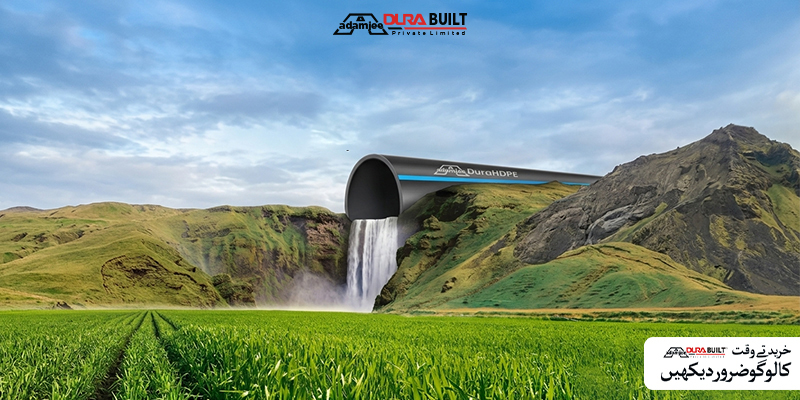
When you invest right, you don’t just buy pipes, you buy peace of mind.
- Reduced Water Loss
High-quality irrigation systems ensure water goes directly to the crops instead of leaking or seeping into the soil, helping farmers save every precious drop.
- Lower Repair and Replacement Costs
Durable pipes reduce the need for frequent repairs, saving both money and time that farmers can instead invest in improving their yield.
- Improved Irrigation Efficiency
With steady and controlled water flow, crops receive equal irrigation across the field, resulting in healthier and more uniform growth.
- Longer Service Life
Strong materials like HDPE pipes are designed to last for years, even under tough soil and weather conditions.
- Better Return on Agricultural Investment
When your irrigation system performs efficiently and lasts longer, your overall farming productivity increases, giving you a stronger and more profitable return on investment.
Why HDPE Pipes Are Becoming the Preferred Choice for Modern Farming
Today, HDPE pipes for agriculture are becoming the first choice for smart farmers and here’s why:
- Leak-Free Performance
Water is one of a farmer’s most valuable resources. HDPE pipes for agriculture are designed with secure joints that help minimize leaks, ensuring more water reaches your crops instead of being wasted underground.
- Flexibility and Strength
Unlike many traditional piping materials, HDPE pipes combine flexibility with exceptional strength. They can handle uneven terrain, soil movement, and challenging installation conditions without cracking or breaking easily.
- Excellent Resistance to Chemicals
Modern irrigation systems often carry fertilizers and other agricultural inputs. HDPE pipes offer outstanding resistance to chemicals, helping maintain water quality and ensuring reliable performance over time.
- Long Operational Lifespan
One of the biggest advantages of HDPE pipes is their durability. They are built to withstand harsh weather, UV exposure, and demanding agricultural environments, making them a long-term investment for farmers.
- Suitable for Drip and Sprinkler Irrigation Systems
Whether you’re using a drip irrigation setup to conserve water or a sprinkler system to cover large fields, HDPE pipes provide the consistent flow and pressure needed for efficient irrigation performance.
Why Farmers Trust Adamjee Dura Built Agriculture Pipes
At Adamjee Dura Built, we don’t just manufacture pipes, we build trust in every meter of pipeline.
Farmers trust us because:
- We design products for Pakistani soil and weather
- Our pipes support both traditional and modern irrigation systems
- We focus on long-term durability, not short-term savings
- We offer solutions for small farms to large agricultural projects
Whether you’re using Plastic pipes for farming or upgrading to advanced HDPE systems, we guide you like a partner, not just a supplier.
Agriculture Pipe Applications Across Different Farming Sectors
Our pipes are used across multiple farming setups:
- Crop Irrigation Systems
Agriculture pipes are widely used in crop irrigation to deliver water efficiently across fields. They help ensure consistent watering, reduced wastage, and healthier crop growth.
- Orchards and Fruit Farms
Fruit trees require controlled irrigation throughout the year. Quality pipes help distribute water evenly, supporting better fruit production and plant health.
- Greenhouse Farming
Greenhouse farming depends on precise water management. Reliable piping systems help maintain ideal growing conditions while conserving water.
- Livestock Water Supply Systems
Agriculture pipes are also used to transport clean water to livestock areas. A dependable water supply is essential for maintaining animal health and farm productivity.
- Large-Scale Agricultural Projects
Large farms and modern irrigation projects require durable piping solutions that can handle high water volumes efficiently. This is where high-quality systems like HDPE pipes for agriculture deliver long-term performance.
How to Maximize the Lifespan of Your Agriculture Pipes
A good system lasts longer when maintained properly:
- Install pipes correctly without bending stress
- Flush the system regularly
- Protect from direct mechanical damage
- Use compatible fittings and joints
- Avoid overpressure beyond design limits
A properly installed system can serve you for many years without major issues.
Smarter Farming Starts with the Right Agriculture Pipe Choice
At the end of the day, farming is about decisions. The right seed, the right timing and yes, the right irrigation system.
Choosing agriculture pipes in Pakistan is not just about cost; it is about long-term productivity. Whether you choose PVC, UPVC, or HDPE pipes for agriculture, the goal is the same: efficient water use and healthier crops.
And if you’re still unsure, remember this simple truth we always share with farmers:
Good irrigation doesn’t waste water; it multiplies yield
Upgrade Your Irrigation System with Adamjee Dura Built Today
If you’re planning your next farming season, this is the right time to upgrade.
Looking for high-quality agriculture pipes in Pakistan? Adamjee Dura Built offers durable HDPE, PVC, and UPVC irrigation solutions designed for long-term farm efficiency and water savings.
Let’s build smarter farms together with stronger, more reliable, and long-lasting piping solutions.
FAQs
1. What are the best agriculture pipes for irrigation in Pakistan?
HDPE and UPVC pipes are among the best choices for irrigation in Pakistan due to their durability, efficient water flow, and long service life.
2. Why are HDPE pipes preferred for agricultural applications?
HDPE pipes are flexible, leak-resistant, chemical-resistant, and can withstand harsh farming conditions, making them ideal for modern irrigation systems.
3. How long do agriculture pipes typically last?
High-quality agriculture pipes can last 20–50 years, depending on the material, installation quality, and operating conditions.
4. What pipe size is best for farm irrigation systems?
The ideal pipe size depends on your farm size, water demand, and irrigation method, but larger farms generally require wider-diameter pipes for efficient flow.
5. Are HDPE agriculture pipes resistant to fertilizers and chemicals?
Yes, HDPE pipes offer excellent resistance to fertilizers, chemicals, and corrosion, ensuring reliable long-term performance in agricultural environments.